


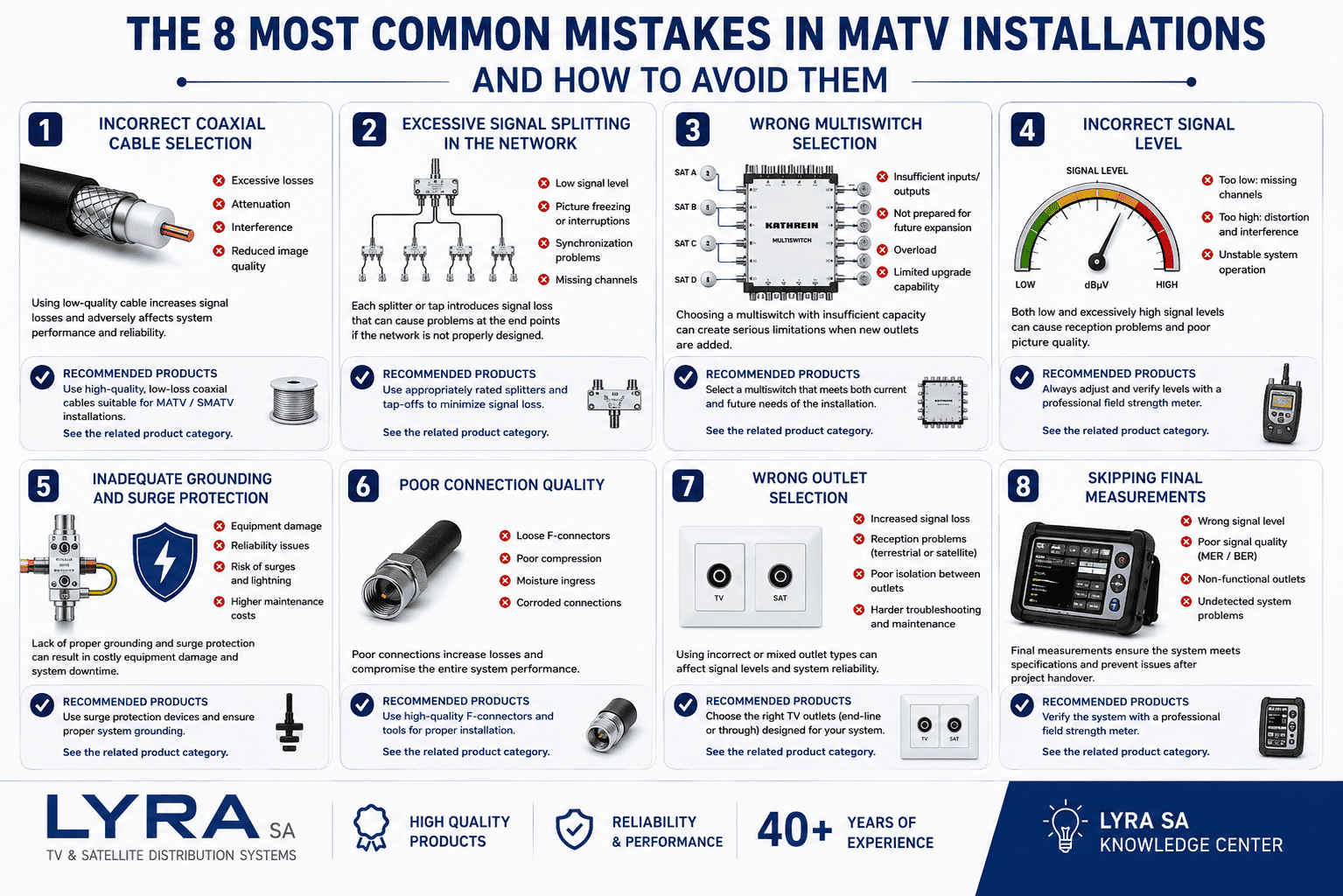
Common Mistakes in Centralized Satellite and Terrestrial TV Systems and How to Avoid Them
The performance of a MATV/SMATV system depends on much more than the quality of the equipment alone. Proper system design, the selection of suitable materials, and professional installation are equally important in ensuring reliable and long-term operation.
In practice, many of the issues encountered in hotels, apartment buildings, residential complexes, and commercial facilities are not caused by equipment failures. Instead, they are often the result of poor planning, incorrect component selection, or installation errors made during the implementation of the system.
In this article, we highlight what we consider to be the most common mistakes found in MATV/SMATV installations and explain how they can be avoided to achieve reliable, high-quality distribution of both satellite and terrestrial TV signals.
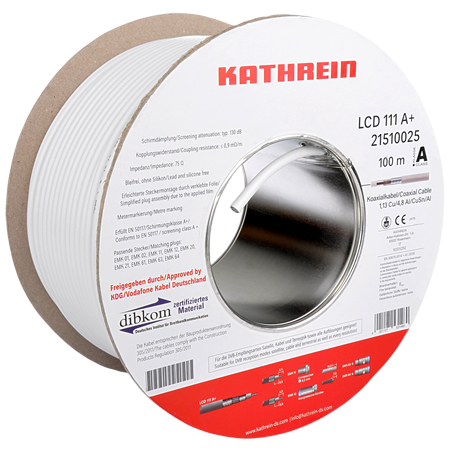
1. Choosing the Wrong Coaxial Cable
The coaxial cable is the backbone of any TV signal distribution system. Using low-quality cables or cables with inadequate shielding can lead to several performance issues, including:
- Increased signal loss
- Interference from mobile network signals (4G/5G LTE)
- Reduced picture quality
- Poor reception of both terrestrial and satellite TV channels
For professional MATV/SMATV installations, it is essential to use certified coaxial cables with high shielding effectiveness and low attenuation. The cable should always be selected according to the specific application, operating frequencies, and cable run length to ensure optimum system performance and long-term reliability.
✔ Recommended Products: Explore our range of High-Performance Coaxial Cables designed for professional MATV and SMATV installations.
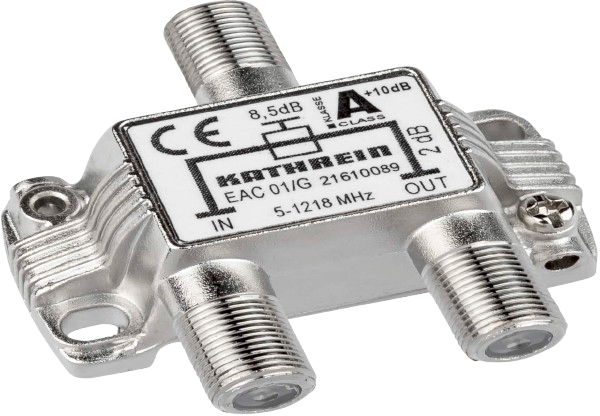
2. Excessive Signal Splitting in the Distribution Network
One of the most common mistakes in MATV systems is the excessive use of splitters and tap-offs without first calculating the total signal losses throughout the distribution network. Every splitter or tap-off introduces insertion loss, reducing the signal level available at downstream outlets.
Without proper network design, the following issues may occur at the end points:
- Low signal levels
- Picture freezing or intermittent interruptions
- Synchronization problems
- Inability to receive certain TV channels
A properly engineered distribution network ensures that every TV outlet receives the correct signal level, maintaining consistent reception and reliable performance throughout the entire installation.
✔ Recommended Products: Explore our range of Splitters and Tap-Offs designed for professional MATV and SMATV distribution systems.
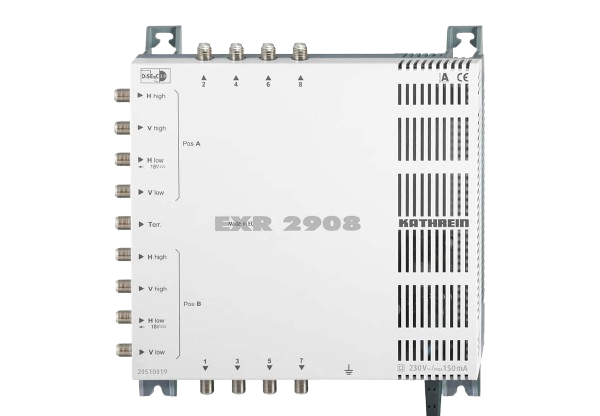
3. Choosing the Wrong Multiswitch
The multiswitch is one of the most critical components of any SMATV system, as it distributes satellite signals efficiently to multiple TV outlets. Selecting the right multiswitch is essential for ensuring reliable performance and future scalability.
The choice should be based on several key factors, including:
- The total number of TV outlets
- The number of satellite positions to be distributed
- The technical requirements of the project
- Future expansion needs
Choosing a multiswitch with insufficient capacity may significantly limit the system's ability to accommodate additional outlets or future upgrades, often resulting in costly modifications or equipment replacement.
✔ Recommended Products: Explore our range of Multiswitches for professional SMATV installations.
4. Incorrect Signal Levels
A common misconception is that increasing signal amplification always results in better picture quality. In reality, the opposite is often true. Both insufficient and excessively high signal levels can cause reception problems and negatively affect overall system performance.
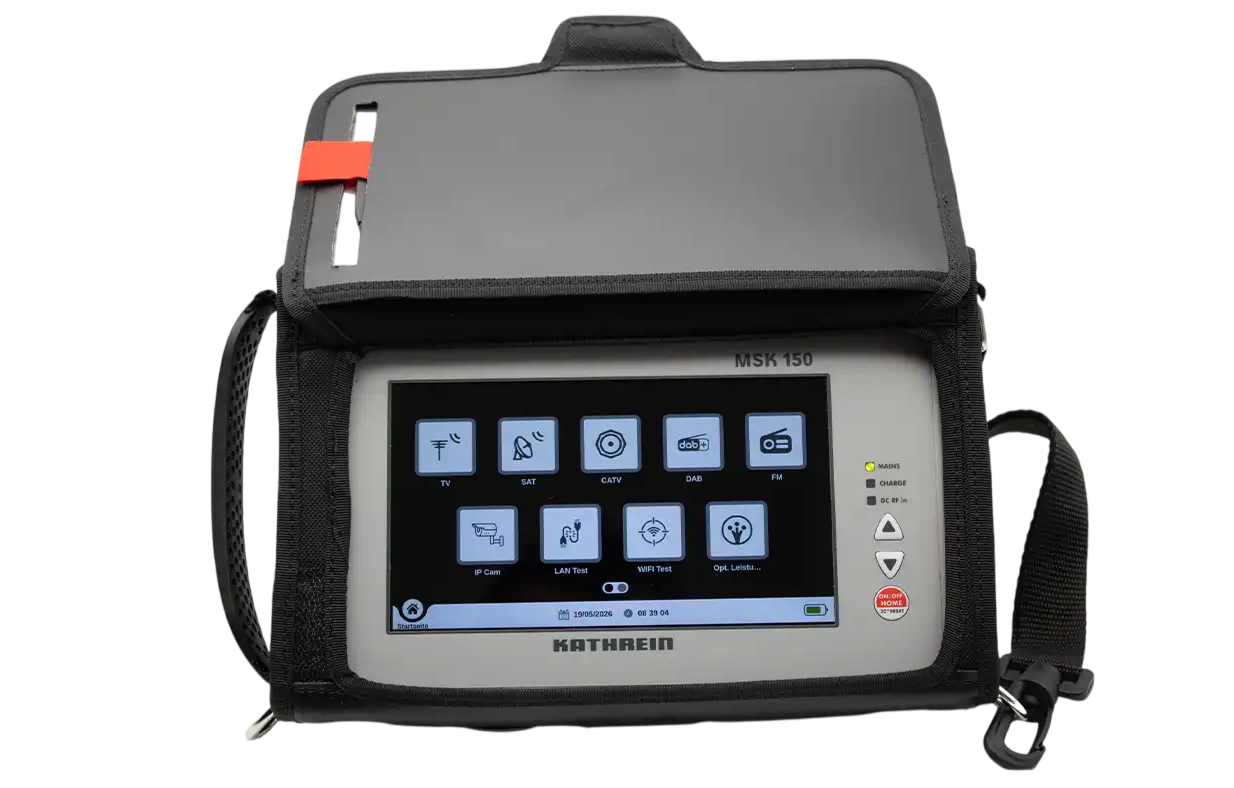
For this reason, RF amplifiers should always be adjusted based on measurements taken with a professional TV signal meter (field strength meter) rather than by trial and error.
When selecting an RF amplifier, it is also important to verify its specifications. Professional amplifiers should clearly state:
- The maximum output level (dBμV)
- The maximum number of TV channels they can amplify simultaneously while maintaining the specified output level without degrading signal quality
Proper signal level adjustment, combined with accurate MER and BER measurements, ensures stable operation and reliable distribution of both terrestrial and satellite TV signals.
✔ Recommended Products: Explore our range of Professional TV Signal Meters (Field Strength Meters) for accurate measurement, alignment, and commissioning of MATV and SMATV systems.
5. Inadequate Grounding and Surge Protection
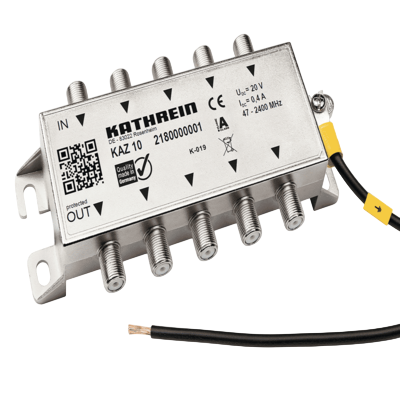
Proper grounding and lightning/surge protection are essential components of every professional MATV/SMATV installation. An inadequately grounded system is far more vulnerable to electrical faults and transient overvoltages, which can lead to:
- Damage to system equipment
- Reduced system reliability
- Increased risk of surge-related failures
- Higher maintenance and repair costs
This is particularly important for outdoor installations, where antennas and external cabling are exposed to lightning activity and electrical surges. Implementing appropriate grounding and surge protection measures helps safeguard both the equipment and the overall integrity of the distribution network.
✔ Recommended Products: Explore our range of Lightning and Surge Protection Solutions for professional MATV and SMATV installations.
6. Poor Connection Quality
Even the highest-quality coaxial cable cannot deliver optimal performance if the wrong connectors are used or if the cable terminations are not installed correctly.
Some of the most common connection-related issues include:
- Loose F-connectors
- Improperly compressed connectors
- Moisture ingress
- Corrosion of cable terminations
Using high-quality connectors and ensuring they are installed correctly can significantly improve the reliability, signal integrity, and long-term performance of the entire distribution network.
✔ Recommended Products: Explore our range of F-Connectors, RF Connectors, and Adapters for professional MATV and SMATV installations.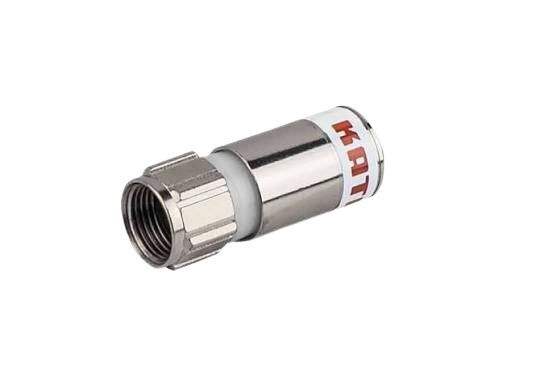
7. Choosing the Wrong TV Outlet
The TV outlet is the final component in a MATV/SMATV distribution network and has a direct impact on the signal quality delivered to the end user.
A common mistake is selecting outlets that are not designed for the specific network topology or operating frequency range of the installation. Likewise, using TV outlets with different electrical characteristics within the same system can create signal level imbalances and compromise overall network performance.
The most common issues caused by incorrect TV outlet selection include:
- Increased signal loss
- Poor reception of satellite or terrestrial TV channels
- Reduced isolation between TV outlets
- More difficult fault diagnosis and system maintenance
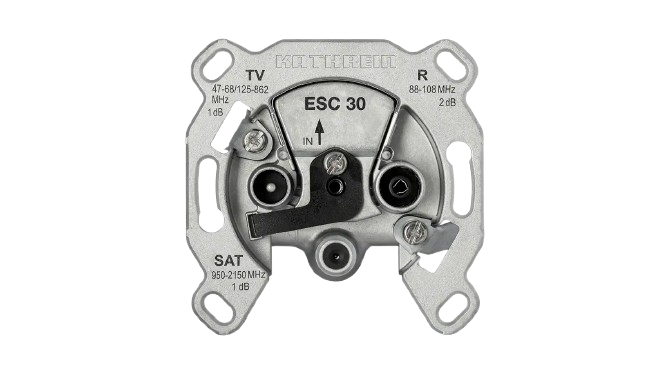
To ensure optimal performance, TV outlets should always be selected according to the network design. Factors such as the installation topology (terminal or through outlet), signal levels, frequency range, and the specific requirements of the MATV/SMATV system should all be taken into consideration.
✔ Recommended Products: Explore our range of Professional TV Outlets for MATV and SMATV distribution systems.
8. Skipping Final System Measurements
One of the most critical mistakes is completing an installation without performing final system measurements. Before any MATV/SMATV project is handed over, the entire distribution network should be thoroughly tested to verify that it meets the required performance specifications.
The final inspection should include:
- Signal level measurements
- Signal quality verification (MER and BER)
- Proper operation of all TV outlets
- Overall performance of the distribution network
Performing comprehensive final measurements helps identify potential issues before the system is commissioned, significantly reducing the likelihood of service calls, troubleshooting, and costly corrective work after project delivery.
✔ Recommended Products: Explore our range of Professional TV Signal Meters (Field Strength Meters) for testing, commissioning, and verifying MATV and SMATV installations.
Experience shows that most problems do not appear immediately after installation but rather when the network is expanded or the project's requirements increase over time. For this reason, every new installation should be designed with future growth in mind.
We recommend:
- Allowing additional capacity when selecting multiswitches
- Using high-quality, low-loss coaxial cables
- Properly sizing RF amplifiers based on both current and future system requirements
A well-designed infrastructure can provide reliable performance for many years with little or no need for major modifications.
⚠ Common Mistake
In many installations, equipment is selected solely on the basis of the lowest purchase price or the project's immediate requirements. As a result, the system often lacks the capacity for future expansion, or components are installed that do not meet the technical demands of the application.
Replacing undersized or unsuitable equipment just a few years later typically costs far more than making the right investment from the outset.
✓ Recommended Solution
Always begin with a comprehensive system design.
Calculate the expected signal losses throughout the distribution network, select equipment that meets both current and future project requirements, and use certified products from trusted manufacturers.
This approach ensures:
- Long-term system reliability
- Easier maintenance and troubleshooting
- Greater flexibility for future expansion
- Lower total cost of ownership
Why Professionals Trust LYRA
For more than 60 years, LYRA has been supporting professional installers, consulting engineers, system integrators, and technical contractors with complete solutions for MATV, SMATV, IPTV, and TV signal distribution systems.
As the exclusive KATHREIN distributor in Greece, we provide the expertise required to support the design, planning, and implementation of projects of every size—from residential installations to large-scale deployments in hotels, stadiums, airports, residential developments, hospitals, and commercial buildings.
Our goal is to deliver reliable, future-proof solutions backed by high-quality products and professional technical support.
Conclusion
Most problems in MATV/SMATV systems are not caused by equipment failures but by poor planning, incorrect component selection, or installation mistakes.
A well-engineered system—designed according to technical standards and built with high-quality components—provides:
- Reliable signal distribution
- Superior picture quality
- Easier maintenance
- Lower operating costs
- Scalability for future expansion
With the right technical expertise and professional-grade equipment, a MATV/SMATV installation can deliver stable, high-quality satellite and terrestrial TV signals for many years.
Related Articles
- MATV/SMATV Systems: What They Are and How They Work
- TV Headend Systems: Centralized Television Signal Distribution
- RG6 vs. RG11: A Technical Comparison Guide
- What Is a Multiswitch and How Does It Work in a MATV/SMATV System?
- Kathrein Products List
